
 0
 0
Nikon Z6 III buying guide
Who Should Buy the Nikon Z6 III—and Why?
Fast enough for action, capable enough for serious video, and versatile enough for everyday work: discover whether Nikon’s hybrid full-frame camera is the right fit for the way you shoot.
Where it fits
A Hybrid Camera Built for More Than One Kind of Photographer
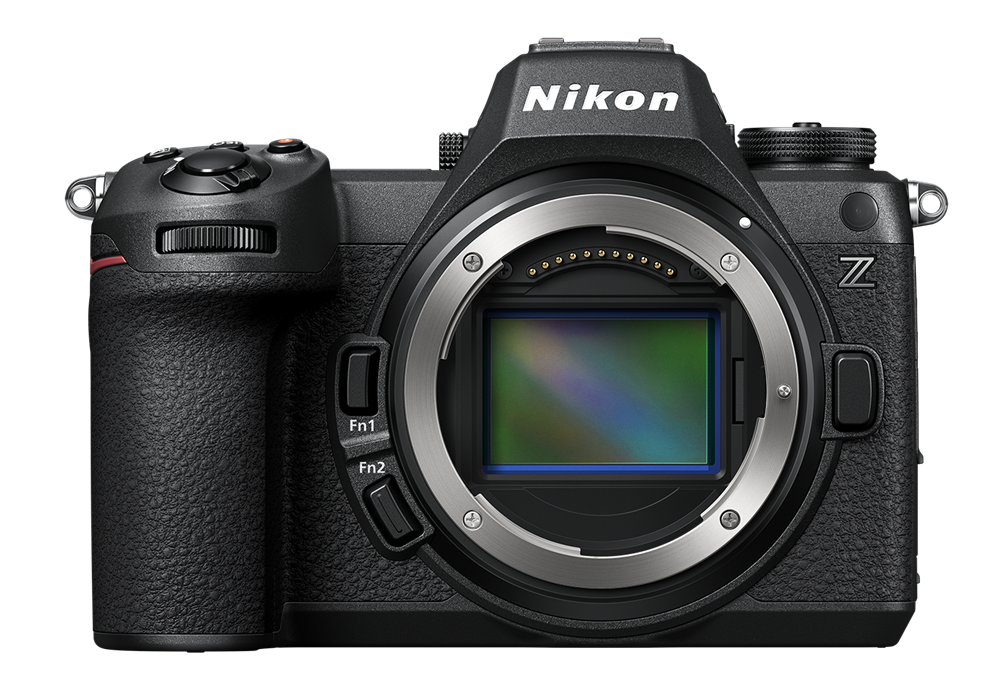
The Nikon Z6 III is a 24.5-megapixel full-frame mirrorless camera that sits between the more affordable Z5 II and Nikon’s higher-resolution or flagship Z models. Its partially stacked sensor gives it a speed advantage over conventional designs while retaining the manageable file sizes many working photographers prefer. The real buying question is not simply whether it takes excellent pictures—it does—but whether its combination of responsive autofocus, rapid shooting, advanced video, and comfortable controls matches your subjects, workflow, and budget. It is especially compelling for people who regularly move between stills and video or photograph unpredictable moments, from weddings and wildlife to events and sports.
What Makes the Z6 III Stand Out
A Sensor Designed for Speed
The 24.5MP partially stacked full-frame sensor reads out faster than a conventional sensor, helping reduce rolling-shutter distortion and supporting quick continuous shooting without demanding enormous files.
Autofocus That Tracks the Moment
Subject-detection autofocus recognizes people, animals, and vehicles, while 3D tracking helps keep moving subjects in focus when the scene gets busy.
Bursts and Video for Hybrid Work
Shoot up to 20 fps with the electronic shutter in full-resolution RAW, or capture 6K/60p internal RAW video and oversampled 4K footage when a project calls for motion.
A Clear View and Confident Handling
A bright, high-resolution electronic viewfinder makes fast action easier to follow; the deep grip, vari-angle touchscreen, weather-sealed body, and dual card slots support long days in the field.

Nikon Z6 III vs. the Alternatives

Nikon Z6 III
The 24.5MP Z6 III is the balanced pick for creators who need a fast, dependable full-frame camera for both stills and video. Its partially stacked sensor, improved autofocus, high-resolution viewfinder, and internal 6K RAW recording justify its higher price over the Z6 II.
24.5MP partially stacked sensor
Fast subject-detection autofocus
Internal 6K RAW video
Best balance for hybrid work

Nikon Z6 II
The older Z6 II costs less and remains capable for portraits, travel, and measured event work. Its slower readout, less advanced subject tracking, and more limited video options make the Z6 III the stronger investment for action and demanding hybrid shoots. Need higher-resolution files instead? The pricier Nikon Z8 offers 45.7MP and greater cropping flexibility; Sony’s a7 IV is another 33MP full-frame alternative, though its 4K/60p recording uses a crop.
24.5MP full-frame sensor
Lower-cost Nikon Z option
Best for less demanding motion
Fewer advanced video features
Who Gets the Most from the Z6 III?
- Hybrid creators switching between stills and video
- Wedding photographers covering fast, unpredictable moments
- Event professionals working in changing light
- Portrait shooters who value reliable eye detection
- Documentary teams needing a compact full-frame setup
- Solo creators recording high-quality footage in-camera
- Sports photographers tracking quick, erratic movement
- Wildlife shooters following birds and animals in motion
- Travel photographers wanting one versatile camera body
- Enthusiasts upgrading from a Nikon DX camera
- Existing Z6 II owners seeking faster autofocus and readout
- Small production crews balancing video features and size
- Choose the Z6 III for a strong stills-and-video balance
- Choose the Z6 II when a lower purchase price matters most
- Choose the Z8 when resolution and cropping room come first
- Consider the Sony a7 IV if 33MP files suit your workflow
- Budget for lenses before paying extra for body features
- Check video formats against your editing setup
How the Z6 III Handles Real Shoots
For portraits and weddings, the Z6 III’s subject-detection autofocus helps keep eyes sharp as people turn or move, while its full-frame sensor offers flexibility in mixed light. The 24.5MP files are well suited to albums, client galleries, and everyday prints, though photographers who crop heavily or make very large prints may prefer the Z8’s 45.7MP resolution. A Nikon Z-mount portrait lens can make the most of the camera’s subject separation; a compact zoom is a practical match for travel.
Sports and wildlife are where the Z6 III’s speed becomes especially valuable. Its partially stacked sensor reads out faster than the Z6 II’s, helping reduce distortion from moving subjects and making fast electronic-shutter shooting more useful. Subject tracking and a detailed viewfinder also help when action changes direction unexpectedly. For distant birds, however, a long lens—and sometimes more pixels for cropping—will matter as much as the camera body.
On video jobs, internal 6K RAW recording gives experienced editors room to shape footage in post, while more conventional recording options suit quicker turnarounds. The articulating screen helps with low angles and solo filming, and strong autofocus makes run-and-gun coverage easier. High-quality formats create larger files and demand more capable storage and editing hardware, so choose settings to match the project. Overall, the Z6 III is most compelling when one camera must move confidently between portraits, travel, live events, action, and professional-looking video.

Which Nikon Full-Frame Camera Should You Buy?
Best for Hybrid Creators

Nikon Z6 III
★★★★☆
Our top pick for photographers who also shoot serious video. Its 24.5MP partially stacked sensor delivers attractive files, fast readout and excellent subject tracking, while high-speed bursts help capture action. Internal 6K RAW and 4K options make it especially versatile. The trade-offs: dynamic range at base ISO trails the Z6 II slightly, battery life is modest for long shoots, and premium Z lenses raise the total cost. We included it because its balance of speed, autofocus and video is hard to beat if you use all three.
- Action autofocus and burst speed 92%
- Hybrid video capability 94%
- Battery life and system value 70%

Nikon Z6 II
★★★★☆
A smart value choice for portraits, travel and slower-paced photography. Its 24.5MP files look excellent, battery endurance is dependable, and discounted bodies can leave more room in the budget for a good lens. Autofocus tracking, burst shooting and video flexibility are less advanced than on the Z6 III, so it is not our first choice for demanding action or hybrid work. We included it for buyers who prioritize image quality and lower overall cost over the latest performance.
- Still-image quality 86%
- Subject tracking and speed 67%
- Price-to-performance value 88%

Nikon Z8
★★★★☆
Choose the Z8 when resolution and professional-level action performance justify the investment. Its 45.7MP stacked sensor gives wildlife and commercial shooters extra cropping room, confident tracking and extensive video options. The drawbacks are larger files, a heavier body, shorter battery endurance under intensive use and a much higher purchase price; quality telephoto lenses add further expense. We included it as the step-up option for buyers who have outgrown what the Nikon Z6 III can offer.
- Resolution and cropping flexibility 97%
- Pro-level autofocus and video 96%
- Portability and total system cost 52%
Nikon Z6 III: Frequently Asked Questions
These answers address the questions most likely to affect your purchase, from upgrade value to the cost of building a useful lens kit.
Is the Nikon Z6 III worth its asking price?
Yes, if you regularly shoot moving subjects, switch between photos and video, or need its fast readout and advanced recording options. If you mainly photograph portraits, landscapes or everyday scenes, a discounted Z6 II may deliver better value; compare body prices and lens costs before deciding.
What improves over the Nikon Z6 II?
The Z6 III brings more reliable subject detection and tracking, faster shooting, a brighter electronic viewfinder and substantially stronger video tools, including internal 6K RAW. Its partially stacked sensor trades a little base-ISO dynamic range for speed, so landscape photographers should weigh that compromise.
Is the Z6 III a worthwhile upgrade from the original Z6?
For action, events or video, the stronger autofocus, quicker response and expanded recording choices make a meaningful difference. If your original Z6 already handles your subjects comfortably, putting the money toward a lens may improve your results more.
Which lenses should I budget for first?
The NIKKOR Z 24-120mm f/4 S is a flexible single-lens start; the Z 24-70mm f/4 S is a lighter option, especially when found in a kit. Add a fast prime for low light or a telephoto for sports and wildlife. Check F-mount compatibility and include an FTZ adapter in your budget if you plan to reuse DSLR lenses.
Who should choose a different camera?
Consider the Z8 if you need substantial cropping room and 45.7MP files. Choose a less expensive Z6 II if your work is mostly static, or a smaller setup if weight matters more than full-frame performance. Long video days may also call for spare batteries or external power.
Ready to compare your options?

Make the Z6 III Fit Your Shooting—and Your Budget
If fast autofocus, action-ready speed and serious video will earn their place in your workflow, shortlist the Z6 III; otherwise, compare a lower-cost Z6 II or higher-resolution Z8 alongside the lenses you actually need.


