
 0
 0
What Makes a Trade Show Booth Stand Out?
Explore the design choices that stop attendees in their tracks, tell your brand story at a glance, and turn a busy show floor into meaningful conversations.

Make Every Moment on the Show Floor Count
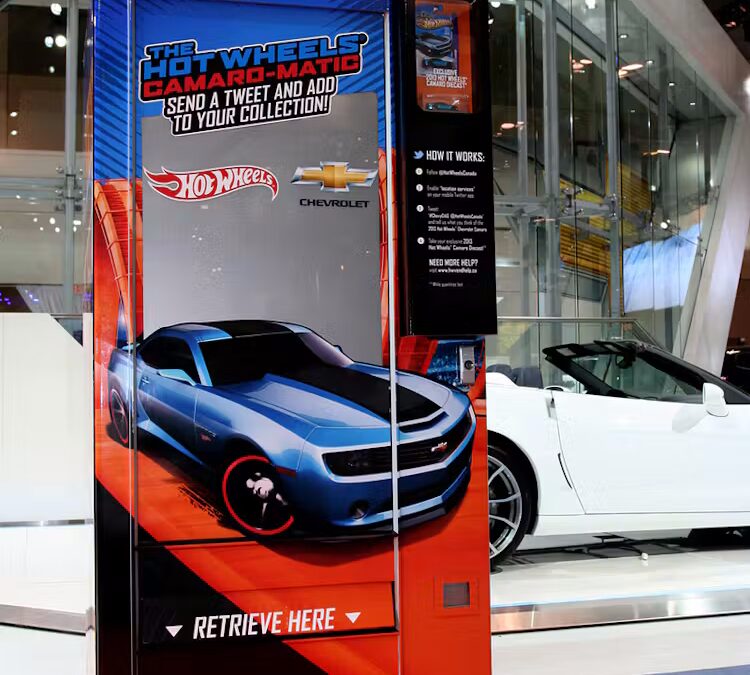
At a trade show, your booth competes with hundreds of sights and sounds. A distinctive design catches attention from across the aisle, then gives visitors a clear reason to come closer. Strong visuals, an easy-to-grasp message, and a welcoming entrance help turn passing interest into a first conversation.
Standing out is about more than being seen. A trade show booth design that makes your brand value tangible through its materials, imagery, and visitor experience is what you should be looking for. When the space makes it easy to explore, ask questions, and connect with your team, attendees leave with a stronger understanding of what you offer—and a reason to remember you after the event.
The Design Choices Behind a Memorable Booth

A Message Visitors Grasp Instantly
Lead with one clear promise, supported by concise signage and a focused call to action. Attendees should understand what you offer before they reach the booth.

Visuals That Earn a Second Look
Use distinctive forms, bold imagery, and a deliberate color palette to create a recognizable presence that feels true to your brand—not just loud.

A Layout Built for Conversation
Give visitors room to enter, explore, and engage. Well-placed displays and meeting areas guide traffic naturally without blocking access or overwhelming the space.

Lighting and Branding That Work Together
Light key products and messages, then carry your brand consistently across graphics, materials, and digital displays. Every detail should reinforce the same impression.
Color, structure, graphics, and space in action
Trade Show Booths That Command Attention


From audience insight to show-floor impact
How to Design a Booth That Works
1
Understand Your Visitors
Identify who you want to reach, what draws them in, and the questions they need answered before they engage.
2
Define the Brand Experience
Turn your goals into a clear visual story, using color, messaging, and focal points that visitors can grasp at a glance.
3
Plan Every Interaction
Arrange entry points, displays, demos, and meeting areas so the booth feels inviting and supports your team’s conversations.

Make Every Detail Part of the Story
Lighting can guide attention to a product, soften a meeting area, or make a striking structure visible across a busy hall. Materials add another layer: tactile finishes invite a closer look, while consistent textures and colors make the booth feel unmistakably on-brand. Place signage where visitors will actually see it, with concise messages that explain what you offer in seconds. Then give people a reason to stay—whether that’s a hands-on demo, an interactive display, or a space to explore at their own pace. When these elements work together, the booth does more than stand out: it helps visitors understand and remember your message.
Trade Show Booth Mistakes to Avoid
- Headlines too small to read from the aisle
- Multiple messages competing for attention
- Product benefits buried beneath jargon
- Graphics that blend into neighboring booths
- Brand colors used without clear contrast
- Calls to action hidden from passing visitors
- Entrances blocked by furniture or displays
- Demo areas that interrupt visitor flow
- Meeting space placed in the busiest aisle
- Queues that spill into neighboring booths
- No room for visitors to pause comfortably
- Staff positions that discourage conversation
- Screens playing content without a clear takeaway
- Interactive features unrelated to visitor needs
- Giveaways that attract the wrong audience
- Lighting that creates glare instead of focus
- Oversized structures that crowd the footprint
- Photo opportunities with no connection to the brand
Frequently Asked Booth Design Questions
Use these answers to turn standout ideas into practical choices for your audience, floor plan, and budget.
How can a trade show booth stand out in a crowded hall?
What should we prioritize when planning booth design?
Can a small booth still make a strong impression?
How do we design an effective booth on a limited budget?
How should we adapt a booth design for different spaces?
Which interactive features are worth including?
Make Your Next Booth Impossible to Overlook
Put these principles to work: choose a clear message, design around your visitors, and give every feature a purpose. Start planning a booth that earns attention and makes it easy to connect.


