
 0
 0
Expert Tree Care Explained
What Does an Arborist Do? Tree Pruning, Trimming & More
Learn how trained arborists assess tree health, shape growth with precise pruning, trim hazardous branches, and protect the trees around your property.
The Expertise Behind Healthy Trees
What Is an Arborist, and How Is One Different From a Tree-Care Provider?
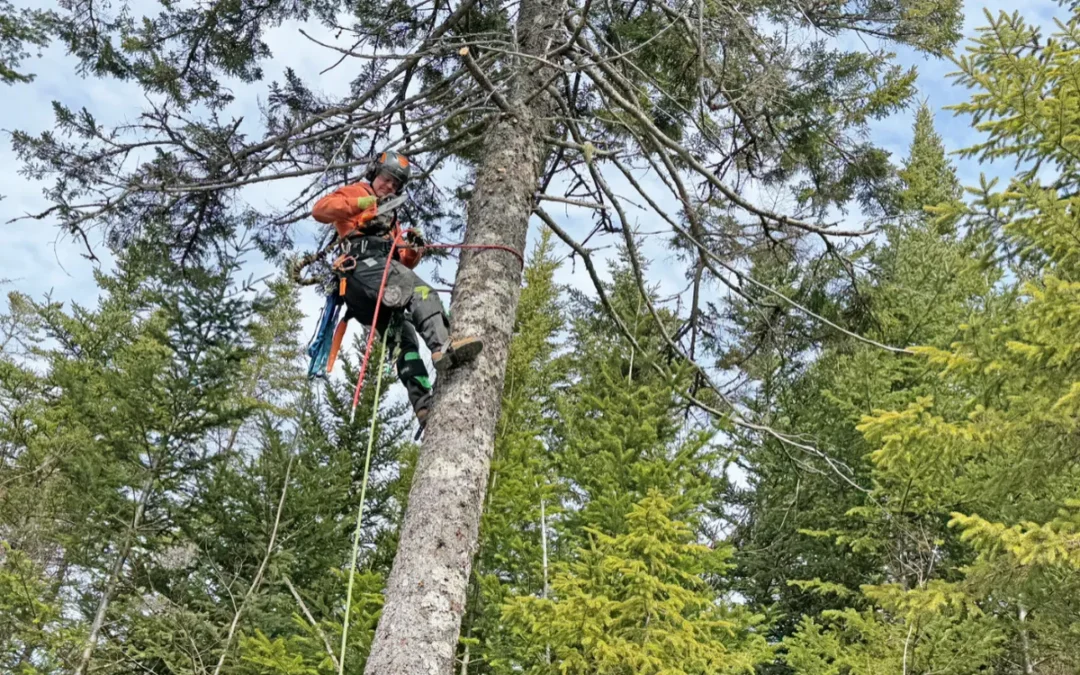
An arborist is a tree-care professional who studies how trees grow, respond to stress, and interact with their surroundings. Arborists use knowledge of tree biology, soil conditions, pests, diseases, and structural integrity to make informed recommendations for individual trees. Their training may include hands-on field experience, formal education, and professional credentials such as ISA certification, which requires an exam and ongoing education.
While a general tree-care provider may focus primarily on cutting or removing branches, an arborist considers why work is needed and how it will affect a tree over time. Before recommending tree trimming or pruning, an arborist can assess the species, growth pattern, condition, and site to choose cuts that support health and reduce risk. This broader perspective helps property owners make better decisions about maintenance, preservation, and removal when necessary.
Core Arborist Services for Safer, Healthier Trees
From routine care to complex concerns, arborists combine careful inspection with targeted tree work tailored to each tree and its setting.
Tree Health Assessments
Inspect foliage, bark, roots, and growing conditions to identify stress early and plan appropriate care.
Tree Trimming & Clearance
Trim branches near buildings, walkways, and other obstacles while respecting the tree’s natural form.
Structural Tree Pruning
Remove selected branches to improve structure, manage growth, and reduce weak attachments without unnecessary cutting.
Diagnosis & Tree Risk Management
Investigate pest or disease symptoms and evaluate damaged or unstable limbs to prioritize practical next steps.
Two Practices, Different Purposes
Tree Trimming vs. Tree Pruning: What’s the Difference?
Tree trimming focuses on managing a tree’s outward growth. An arborist may trim branches that encroach on a walkway, block a view or grow too close to a structure, while preserving the tree’s natural form. Trimming is most appropriate when the goal is clearance or a tidier appearance—not the removal of unhealthy wood.
Tree pruning is a more selective practice guided by tree health and long-term structure. An arborist prunes to remove dead, damaged or diseased branches, reduce rubbing limbs and improve the placement of branches as a young tree grows. The right approach depends on the species, season and condition of the tree: removing too much foliage or making poorly placed cuts can cause lasting harm. A professional assessment helps determine whether trimming, pruning or no cutting is needed.

How an Arborist Plans Tree Care
Step 1
Inspect the Tree and Its Surroundings
The arborist identifies the tree species and examines its canopy, trunk, roots and surrounding soil. They also note nearby buildings, walkways and overhead utilities, along with signs of decay, pests or storm damage.
Step 2
Set Priorities and Choose the Right Cuts
Based on the tree’s condition and your goals, the arborist decides whether selective pruning, clearance trimming or monitoring is appropriate. They identify which branches to address and how much foliage the tree can safely lose.
Step 3
Plan for Safe, Lasting Results
Before work begins, the arborist accounts for falling limbs, access, equipment and seasonal timing. The care plan favors precise cuts that reduce hazards while protecting the tree’s natural structure and future growth.
Why Proper Cuts Matter
Benefits of Professional Pruning and Trimming

Healthier Growth
Removing dead or diseased branches and reducing limb friction helps protect healthy tissue and directs growth toward a stronger canopy.
Safer Surroundings
Addressing weak limbs and maintaining clearance around paths and structures can lower the risk of branch-related damage or injury.
Stronger Structure
Thoughtful pruning encourages well-spaced branches and reduces competing stems, helping young trees develop a more resilient framework.
Natural Beauty, Longer Life
Careful trimming maintains an attractive shape without overcutting, while well-timed pruning supports the tree’s vitality for years to come.
Signs Your Tree Needs an Arborist’s Attention
- Dead or hanging branches in the canopy
- Limbs rubbing against one another
- Branches growing toward a roof or power line
- Dense growth blocking light and airflow
- Heavy limbs extending over walkways
- Broken branches after a storm
- Leaves that wilt or change color unexpectedly
- Fungal growth on the trunk or at the base
- Peeling bark or open trunk wounds
- Holes or sawdust that may indicate insects
- Large sections of the crown losing foliage
- Branches dying back from their tips
- A trunk that has started to lean
- Soil lifting around the root zone
- Cracks where major branches join the trunk
- Roots damaged by digging or construction
- Waterlogged soil around the tree’s base
- Newly exposed roots after wind or erosion
Frequently Asked Questions About Tree Pruning
Get practical answers about professional tree trimming, pruning schedules, safe methods, and what to expect from an arborist.
When should I hire an arborist instead of trimming a tree myself?
What is the difference between tree trimming and tree pruning?
How often should trees be pruned?
What time of year is best for tree pruning?
Is it safe to prune branches near power lines?
How much does professional tree pruning cost?
“Careful pruning is about more than removing branches—it protects a tree’s natural structure while making the landscape safer for everyone around it.”

A Certified Arborist
Tree Care Specialist
Get Expert Advice Before You Prune
Not sure whether your tree needs trimming, pruning, or a closer look? Consult a qualified arborist for a tree assessment and a care plan tailored to your trees.


