
 0
 0
The Process, Step by Step
Brow Waxing Explained: From First Look to Finished Shape
See where wax is applied, how stray hairs are removed, and what a freshly shaped brow typically looks like—so you know what to expect at every stage of your appointment.


A Cleaner Outline, Without Changing Your Natural Brow
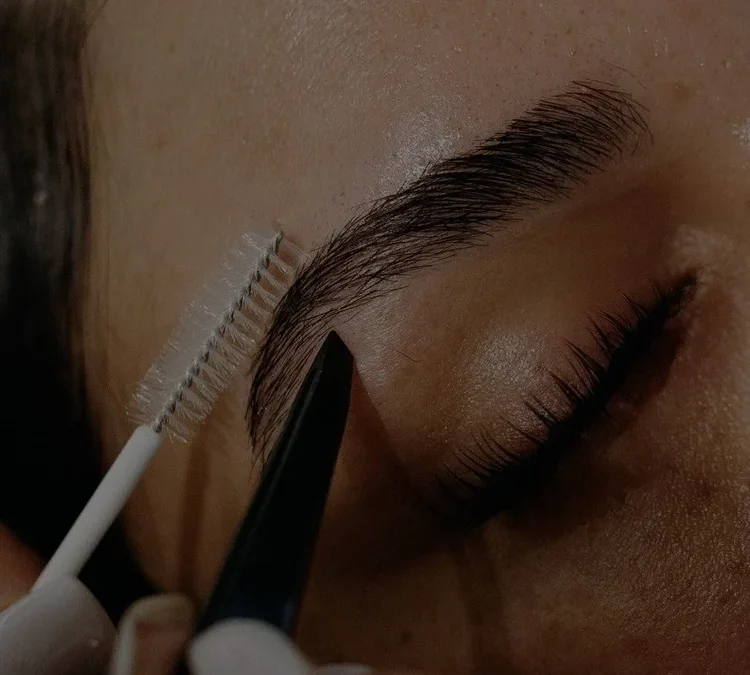
Brow waxing removes unwanted hairs with warm wax applied around—not across—the brow shape. A brow specialist typically cleans up the space between the brows, the hair beneath the arch, and stray hairs above the brow where needed. After the wax is removed, any remaining individual hairs may be tweezed for precision. The finished brows usually have a clearer lower edge, a more defined arch, and a tidier tail while keeping their natural fullness. Mild pinkness around the waxed areas can be visible immediately afterward and generally settles.
Brow Waxing in Pictures: Before, Shaping, and the Finished Result


From consultation to aftercare
How Brow Waxing Works
1
Map and Cleanse
Your brow artist discusses your preferred shape, checks your skin, maps the outline, and cleanses away makeup and oil.
2
Apply Wax and Remove Hair
Warm wax is placed outside the mapped brow line, then removed to lift unwanted hairs from the root. Tweezers may refine the shape.
3
Soothe and Review
A calming product is applied, and you can check the finished shape. Mild redness is common and usually settles within hours.
Why Choose Brow Waxing?

Clean, Defined Edges
Wax removes several hairs at once, creating crisp lines for a polished arch or a subtle tidy-up.

Faster Than Tweezing
Compared with plucking hairs individually, waxing shapes larger areas quickly; tweezers can then catch any strays.

A Different Feel From Threading
Both methods remove hair from the root, but waxing uses warm wax rather than twisted thread. Your skin and shape goals can help guide the choice.
Prepare, Protect, and Maintain Your Brows
A few simple habits before and after your appointment can help reduce irritation and keep your new shape looking neat.
01
Check Your Skin First
Tell your brow artist about recent peels, sunburn, retinoids, acne treatments, or medications that may make skin more fragile.
02
Arrive With Clean Brows
Skip brow makeup and heavy creams on appointment day. Let hairs grow in enough for the wax to grip them.
03
Keep Freshly Waxed Skin Calm
For about 24 hours, avoid hot showers, saunas, intense exercise, exfoliants, and makeup directly on the waxed area.
04
Maintain the Shape Gently
Use gentle skincare and daily SPF around your brows. Leave major reshaping for your next appointment rather than over-tweezing between visits.
Brow Waxing: Your Questions Answered
Wondering how brow waxing feels, how long the shape lasts, or whether it is right for your skin? Here are the essentials to know before an appointment.
Does brow waxing hurt?
You may feel a quick sting as the wax is removed, followed by brief tenderness. Most appointments are short, and an experienced professional can help keep you comfortable.
Can I get my brows waxed if I have sensitive skin?
Possibly, but tell your brow professional about any sensitivity, allergies, or past reactions first. Waxing can cause temporary redness, and a different hair-removal method may be gentler for some skin types.
What will my brows look like after waxing?
Waxing removes hairs outside the chosen shape, leaving a cleaner, more defined brow line. The result depends on your natural hair growth and the shape you agree on before treatment; mild redness may be visible at first.
How long do brow waxing results last?
Brows often stay tidy for about three to four weeks, though regrowth varies by person. Hair returns gradually, so you may notice fine new hairs before your next appointment.
When should I schedule brow waxing?
Allow a few days before a special event in case your skin looks red or feels tender afterward. Between appointments, let enough hair grow back for the wax to grip, and ask your brow professional what timing suits you.
When should I avoid brow waxing?
Postpone waxing if the brow area is sunburned, broken, irritated, or healing. Certain acne medications and exfoliating treatments can also make skin more fragile, so check with your clinician or brow professional before booking if you are unsure.


